
Therapy can help people who suffered as a child to address those challenges and develop healthier coping skills. Chronic stress triggers the release of cortisol, a hormone that, in excess, can lead to anxiety, depression, and a host of physical ailments. Alcohol, on the other hand, stimulates the release of dopamine, the brain’s “feel-good” neurotransmitter, offering a temporary escape from the onslaught of stress. Regular alcohol consumption can lead to tolerance, meaning higher doses are required to achieve the same effect, and dependence, where the body and brain become reliant on alcohol to function. The truth is, there are a variety of reasons why some people become alcoholics and others don’t.
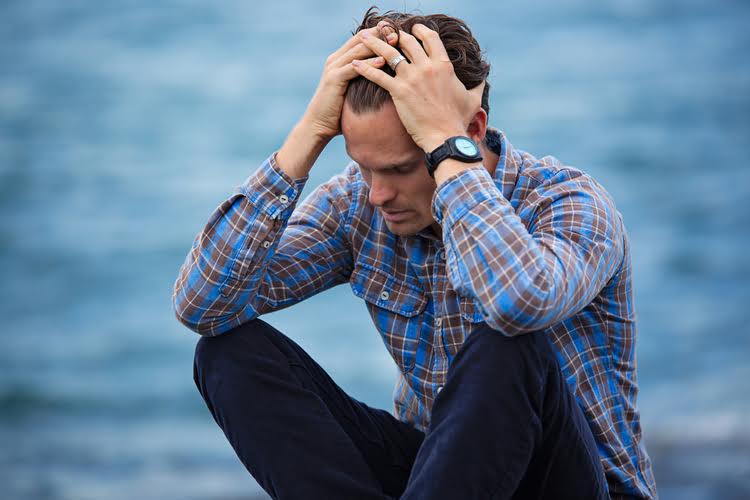
Is alcoholism linked to mental health disorders?
To learn more about alcohol treatment options and search for quality care near you, please visit the NIAAA Alcohol Treatment Navigator. This results in more negative emotions between doses, leading to feedback encouraging continued alcohol consumption. New data show why even “moderate” drinking carries real risks, and why public attitudes are finally changing. Recent evidence suggests alcohol’s relationship with women’s sexual health is complex and dose-dependent, with the risk of overconsumption outweighing the potential benefits. Some have criticized Alcoholics Anonymous and other 12-step programs because they are rooted in religious ideology rather than scientific principles.
Does starting to drink at a young age increase the risk of alcoholism?
Treatment for alcohol use disorder usually involves support and medical care to help you reduce your intake of alcohol or stop drinking altogether. If you would like to reduce your alcohol use but aren’t sure where to get started, it’s best to talk with a why do people become alcoholics healthcare professional. Engaging in heavy, habitual alcohol use may make withdrawal symptoms likely if you stop suddenly. A doctor can help assess your situation and recommend treatment to reduce these symptoms. Binge drinking is defined as drinking over the recommended level of standard drinks, which usually means no more than four standard drinks in one sitting for an adult male and three for an adult female.
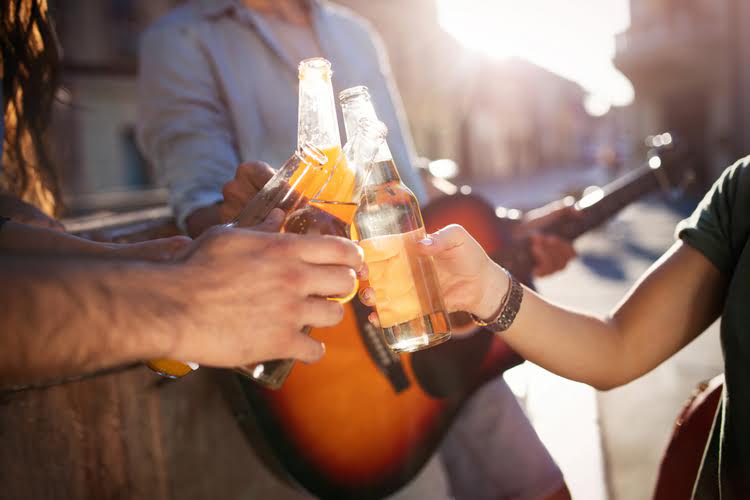
Environmental Causes of Alcohol Dependence
- Children of alcoholics are particularly vulnerable to experiencing trauma, neglect, and dysfunction within the family dynamic, which can have lasting psychological and emotional repercussions.
- Research tends to show that there is a genetic trait which people can inherit.
- Those of us with a family history of AUD are more likely to develop the condition.
Alcohol, a central nervous system depressant, offers temporary relief, a fleeting sense of calm and control. Similarly, someone drowning in the depths of depression might find solace in alcohol’s ability to momentarily alcoholism symptoms lift their mood, albeit artificially. For those haunted by traumatic memories, alcohol can blur the edges of reality, providing a temporary escape from the relentless grip of PTSD. Studies pinpoint specific genes like ALDH2 and ADH1B, involved in alcohol metabolism, as key players.
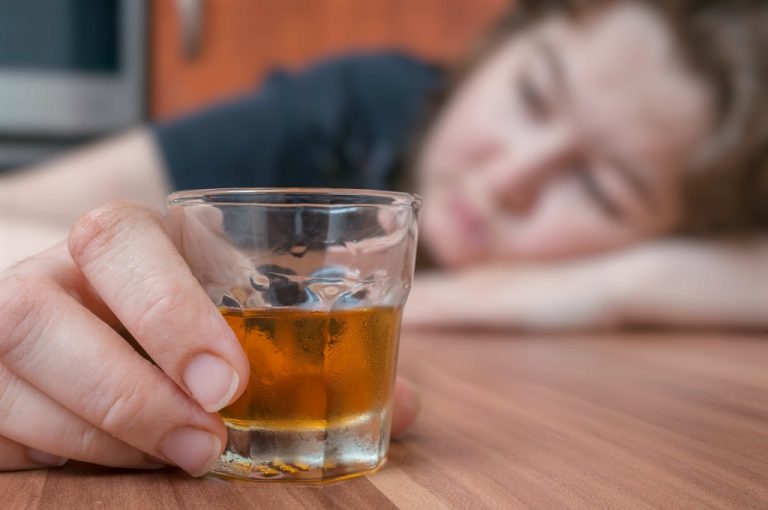
Understanding Drug Use and Addiction DrugFacts
Recognizing these factors can help address potential risks of alcohol use. Furthermore, individuals with mental health disorders, such as depression, anxiety, or post-traumatic stress disorder (PTSD), may be at a higher risk of developing alcoholism. Alcohol can temporarily alleviate symptoms of these conditions, leading some individuals to self-medicate with alcohol as a form of escape or coping mechanism. However, this can perpetuate a cycle of addiction and worsen their mental health. In conclusion, the development of alcoholism is influenced by a combination of biological, environmental, psychological, social, and cultural factors. While there is no single cause that can explain why people become alcoholics, it is clear that a complex interplay of these https://basuki.com/cannabis-tolerance-break-time-how-long-to-reset/ factors contributes to the development and progression of alcoholism.